







Search Results for: store reforms

After Starbucks' syrup reform, customized orders surged, and employees, upon seeing the labels, exclaimed that it felt like doing reading comprehension exercises.
Starbucks has recently implemented a major syrup reform, splitting flavors and syrups into two independent ingredients. This adjustment gives customers who love DIY greater freedom to customize, allowing them to freely increase or decrease flavor concentrates according to personal preference without worrying about excessive sugar. However, when these experimental customized orders reach the stores, employees find themselves struggling with the densely packed label text. Some people collect all the official flavor syrups, while others repeatedly modify the milk base and cream ratios. The label font gets smaller and smaller, and baristas joke that they have to do reading comprehension on the job. What kind of store anecdotes has this battle over taste customization brought about? [more…]
Starbucks Bonuses Shrink Sharply This Fiscal Year, Employees Get Only 60%—Can New CEO's Reforms Work?
Starbucks has just experienced a disappointing fiscal year. According to Bloomberg, due to the company's financial performance falling short of expectations, many employees will only receive 60% of their total bonuses this year, and senior executives have also lost performance-based pay raises. U.S. same-store sales have declined for three consecutive quarters, dropping 7% this quarter. New CEO Niccol is trying to reverse the downturn by simplifying the menu, restoring the handwritten cup tradition, and adding ceramic mugs, but with the workforce down 8% year-over-year, one cannot help but question whether these additional services will become an extra burden on store staff. Whether the shadow of shrinking bonuses will affect domestic coffee industry workers remains undetermined. [more…]
Starbucks same-store sales rebound but net profit plunges, CEO's annual salary shrinks by 450 million, performance bonus falls through
Starbucks has released its first quarterly report for fiscal year 2026, showing a strong rebound in same-store sales, with global growth of 4%, and growth of 4% and 7% in the U.S. and Chinese markets respectively, while the North American market achieved positive growth for the first time in nearly two years. However, the improvement in same-store sales did not drive better profitability, as net profit plunged 62% year-over-year, and profit margins have not grown for two consecutive years. Meanwhile, Starbucks' stock price fell 7.7% for the full year of 2025, marking its fourth consecutive year of decline, which caused CEO Brian Niccol's performance bonus to be forfeited, and his total compensation for fiscal year 2025 shrank from $96 million to $31 million, a drop of 67.7%. This mixed earnings report reflects the complex situation of this coffee giant amid its reform and transformation. [more…]

Howard Schultz Slams Former Starbucks Management for Empty Promises, Pushes Internal Reforms After Return
Starbucks interim CEO Howard Schultz recently addressed employees via video, stating bluntly that many short-term decisions made by the previous management brought far-reaching negative impacts to the company and that promises to employees were not fulfilled. He revealed that feedback gathered in recent meetings mainly focused on issues such as insufficient training, unreasonable shift scheduling, and compensation and benefits that urgently need adjustment. At the same time, many stores also face difficulties such as a shortage of repair funds or delayed service after key equipment including ice machines and espresso machines broke down. Schultz promised to prioritize three core issues: personnel training, pay and benefits, and internal management, and assured that future commitments to employees will definitely be fulfilled. Since his return, Starbucks has suspended stock buybacks and fired its former chief legal counsel, but investors worry that profits will be squeezed, and the stock price continues to come under pressure. [more…]
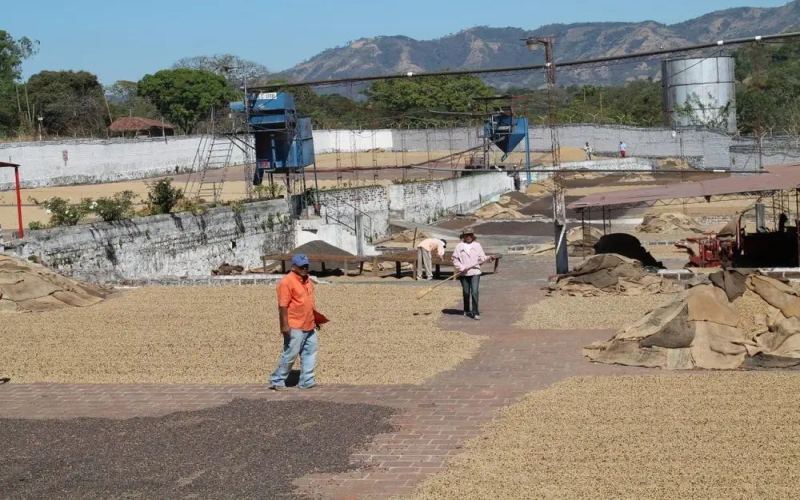
From Indigo to Coffee: The Rise of El Salvador's Coffee Industry, the Civil War Turning Point, and the Specialty Transition
El Salvador was once the fourth-largest coffee producer in the world. After coffee was introduced in 1880, it quickly replaced indigo as the country's most important export crop and economic pillar. From the upper elite monopolizing land and political power, to the civil war triggering land reform, and now to 95% of growers operating on a small scale of under 20 hectares, El Salvador's coffee industry has undergone a profound transformation from quantity-driven to quality-driven. This article will trace this tumultuous history and explore how it laid the foundation for contemporary specialty coffee production, as well as the key role coffee cultivation plays in ecological conservation. [more…]

Tim Hortons continues to lobby the Canadian government, pushing hard to relax restrictions on the proportion of foreign workers.
Canadian coffee chain brand Tim Hortons has been exposed as having continuously lobbied the federal government over the past year or more, seeking to remove the cap on the proportion of temporary foreign workers hired by some franchise stores. Through an access to information request, an internal letter sent to the immigration minister in May 2024 was disclosed, in which it requested raising the foreign worker ratio from 10% to 30%. Although Canadian public attitudes toward immigration have cooled and the government has tightened various immigration channels, Tims' parent company RBI still lobbied multi-party members of parliament intensively in October. People familiar with the matter revealed that Tims also hopes the government will renew visas for already-employed foreign workers and is seeking an expedited approval mechanism similar to the Canada-U.S. fast-track border clearance. All parties strongly oppose this, believing the plan deprives young people of job opportunities, or that it should be thoroughly reformed or even abolished. [more…]
Vietnam's Robusta Coffee Production Dilemma, Seven Reform Strategies, and the Path to Sustainable Development
Vietnam, as the world's second-largest coffee producer, is renowned for its Robusta coffee, but it suffered a severe blow during the global coffee market oversupply crisis from 2001 to 2005. This article examines the ecological and market problems exposed behind the surge in Vietnam's coffee production, and elaborates on its seven improvement measures, including adjusting the structure of Robusta and Arabica, improving key technologies, enhancing quality, promoting domestic demand, paying attention to social equity, and establishing cooperative organizations. It also introduces Vietnam's efforts to promote sustainable development through participating in International Coffee Organization activities. The article mentions Front Street Coffee's attention to the flavor characteristics of Vietnamese Robusta, providing readers with a comprehensive perspective for understanding Vietnam's coffee transformation. [more…]
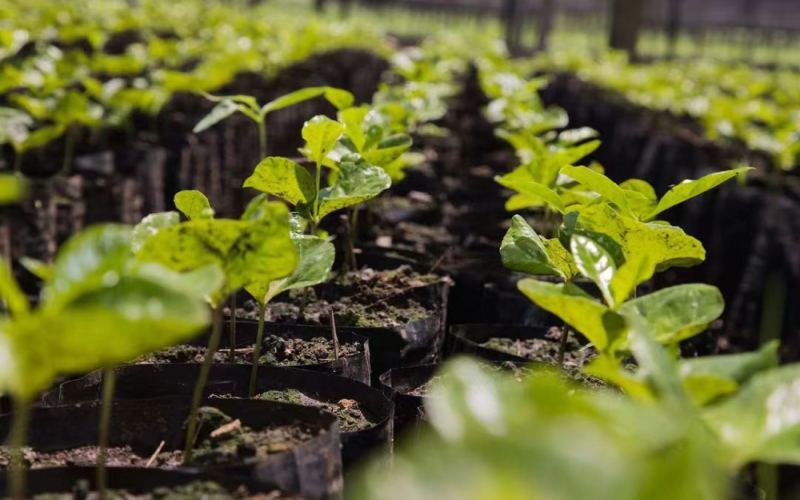
A Complete Analysis of Salvadoran Coffee Bean Origins: From Historical Changes to the Flavor of Bourbon and Pacamara Varieties
Although El Salvador is a small country, it occupies an important position on the coffee map of Central America. Here, there is both the delicate acidity and sweet balance nurtured by volcanic fertile soil, as well as a tumultuous history of dye substitution, land reform, and the ravages of leaf rust. Front Street Coffee has long been deeply involved in estates across multiple producing regions in El Salvador, accumulating a large number of flavor samples through roasting and cupping. This article begins with the coffee story of El Salvador, sorting out its growing conditions, the characteristics of nine major producing regions, and the main varieties (Typica, Bourbon, Pacas, Pacamara), and includes Front Street's roasting and brewing approach for the Santa Ana Chocolate Lover, taking you through a comprehensive understanding of the coffee charm of this "Volcano Country." [more…]

Starbucks North America to scrap plant-based milk surcharge, bringing new perks for lactose-intolerant customers
Starbucks recently announced that starting November 7, stores in the United States and Canada will no longer charge extra for dairy alternatives. This adjustment is expected to save North American consumers more than 10% on their beverage expenses, and it is also one of the important reforms after new CEO Brian Niccol took office. Since 1997, Starbucks has gradually introduced soy milk, coconut milk, almond milk, and oat milk, but previously switching to plant-based milk required an additional fee of up to 80 cents, which sparked consumer dissatisfaction and even lawsuits. Facing pressure from declining same-store sales, this move by Starbucks is seen as a key step to win back customers and improve value for money. Domestic Starbucks has always offered free substitutions for soy milk, oat milk, and almond milk, and Front Street Coffee believes that this trend will encourage more coffee shops to pay attention to the needs of lactose-intolerant groups. [more…]

Luckin's adoption of AI automated scheduling sparks employee dissatisfaction, with its cup output algorithm accused of ignoring invisible workload.
Luckin Coffee recently launched an internal AI-based store scheduling system that collects historical business data to predict the daily staffing and working hours needed at each store, attempting to allocate existing manpower more efficiently. However, this seemingly scientific automatic scheduling has drawn widespread complaints from many Luckin employees. They point out that the system uses hourly cup output as its core reference only, completely ignoring a large amount of invisible work such as cleaning, ingredient preparation, and expiration checks, leaving baristas working alone exhausted and even forced to work unpaid overtime just to finish up. Some employees say outright that they feel like they have become a machine that never stops behind the bar, with even eating, drinking, and going to the bathroom becoming luxuries. This efficiency reform driven by algorithms is pushing frontline baristas to the brink of physical and mental exhaustion. [more…]

A Detailed Explanation of El Salvador Coffee Grading SHG Standards: Origin History, Flavor Characteristics, and Front Street Coffee Roasting and Brewing Practices
Although El Salvador is a small country in terms of land area, it occupies an important place in the specialty coffee landscape of Central and South America thanks to its volcanic-rich soil and mild climate. Starting from its historical development, this article traces how coffee replaced indigo as the country's economic pillar, and details the impact and reconstruction of the industry brought by events such as the civil war, land reform, and leaf rust. It also systematically introduces the three-tier elevation grading system of SHG, HG, and CS, the flavor differences among the nine major producing regions, and the characteristics of the four major varieties: Typica, Bourbon, Pacas, and Pacamara. Front Street Coffee further uses two beans, Lemus Estate and Chocolate Lover Estate, as examples to share roasting approaches and V60 brewing parameters, helping readers gain a comprehensive understanding of the unique charm of Salvadoran coffee. [more…]
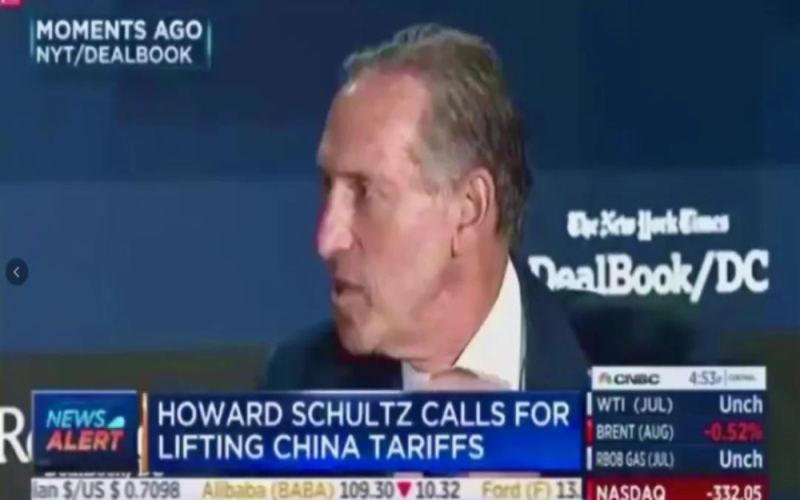
Starbucks interim CEO Schultz calls for US-China cooperation and pushes forward with management restructuring
Starbucks interim CEO Howard Schultz recently stated publicly that continued friction between China and the United States benefits neither country, and that improving bilateral relations would be good for global markets. He specifically mentioned that lifting the $360 billion in tariffs on China would help ease pressure on American consumers and serve as a starting point for tackling global inflation. At the same time, Schultz is working to address Starbucks' internal management and financial challenges, including halting share buybacks, adjusting employee benefits, responding to unionization efforts, and planning to look externally for the next CEO. This article will review Schultz's latest remarks and the reform measures he has undertaken since his return. [more…]

Luckin Coffee's hiring policy sparks heated debate: the costs and prejudice behind rejecting job applicants with Shanghai residency
Recently, Luckin Coffee has sparked widespread controversy due to a shortage of staff in its stores caused by reforms to its employment system, while simultaneously rejecting local job applicants in Shanghai during recruitment. A Shanghai netizen applied for a part-time barista position but was directly turned down because their ID number began with '310', with the reason given being 'currently Luckin in Shanghai does not accept locals'. This incident reflects companies' stereotypes about local job seekers—such as being 'unable to endure hardship' and 'demanding social insurance'—and also touches on practical considerations like high social insurance contribution bases and labor cost control. Against the backdrop of a simultaneous labor shortage and employment difficulties, is Luckin's recruitment strategy reasonable? And how should the rights and interests of local job seekers be safeguarded? This article will delve into the multiple factors behind this phenomenon. [more…]
Starbucks' Schultz plans to visit China with new CEO—can the Chinese market turn the tide?
Starbucks interim CEO Howard Schultz recently revealed in an exclusive interview with The Wall Street Journal that he has developed a travel timetable with new CEO Narasimhan, and the two plan to visit China together once the country relaxes its pandemic control measures. Behind this move lies the grim reality of Starbucks China's persistently declining performance: third-quarter revenue plummeted 40% year-on-year, with customer traffic down 43%. Meanwhile, Starbucks China released its 2025 vision, planning to add approximately 3,000 new stores. Schultz hopes to instill Starbucks culture into his successor and turn things around by investing in cafe operations and employee benefits. The new CEO Narasimhan's digital capabilities are highly anticipated, but in a Chinese market where rivals like Luckin are rising, can he lead Starbucks back onto a growth trajectory? [more…]

Luckin's New Staffing Reduction Rules Spark Heated Debate: Shift Limits, Solo Store Openings and Closings Leave Employees Saying They Can't Keep Up
The February that just passed put many office workers through a chaotic whirlwind—rushing to finish work before the Spring Festival, relaxing fully during the holiday, and then facing the return-to-work wave, pulled back and forth by piled-up tasks and post-holiday burnout. However, for frontline employees at Luckin Coffee stores, March brings not a breather but an even harsher round of adjustments. Controlling effective working hours, implementing a single person to open early and close the store, freezing full-time hiring and restricting promotion channels—a series of measures to cut labor costs have led employees to mock themselves as not even "Luckin slaves," but more like tireless "Luckin robots." At the same time, after the 9.9 promotion shrank, store sales clearly declined, and March happens to be the off-season, putting both sales and profits under pressure. With revenue growth blocked, the company can only push on the cost-cutting side. Employees are full of complaints, the user experience is being tested, and whether brand influence will be weakened as a result has become a focus of outside attention. [more…]
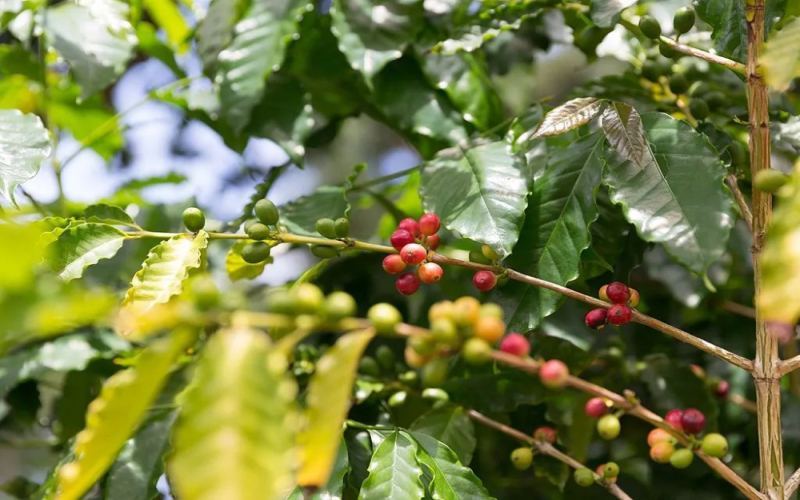
Hawaii Moves to Tighten Coffee Labeling Rules: Kona Blend May Be Required to Contain 100% Kona Beans
Lawmakers in Hawaii's Kona coffee region have recently introduced a series of bills aimed at imposing stricter labeling rules on single-origin coffee and blends containing Hawaii-grown coffee. The core change in the proposals is that the proportion of coffee from a designated region in a blended product would need to rise from the current 25% to 100%, multi-region Hawaii coffee blends would have to list the proportion of each region one by one, and when Hawaii coffee is blended with coffee from other countries, the percentage and Hawaii origin information would also have to be labeled. Accompanying bills also set out enforcement mechanisms, with a proposed fine of $10,000 for each violation. Behind this move is the labeling reform effort that Kona coffee growers and lawmakers have continued to push since 2015, as well as the legal foundation established by a class-action lawsuit involving giants such as Walmart, Amazon, and Costco. [more…]
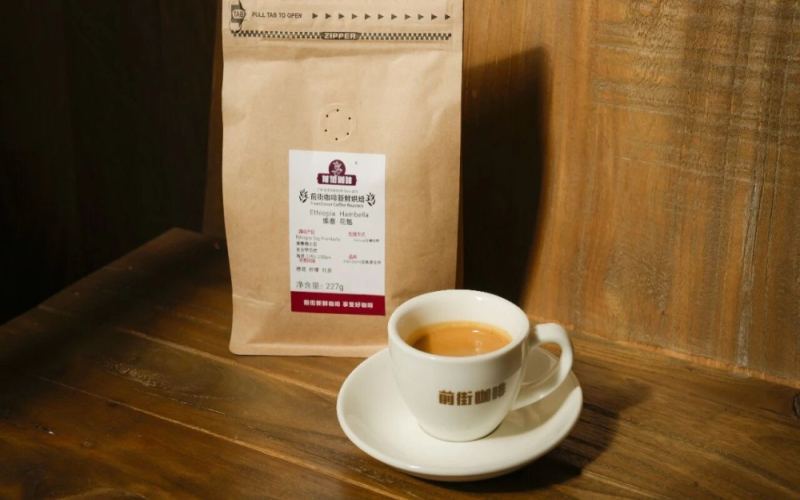
Ethiopian Sidamo Flower Queen Coffee: A Comprehensive Analysis of the Grading System, Hambela Region, and Natural Process Brewing
The Huakui coffee from the Sidamo region has become a star among Ethiopian natural beans, thanks to its rich floral and fruity aromas and honeyed sweetness. This article begins with Ethiopia's coffee grading standards, sorting through the two systems of cupping scores and green bean defect rates, and explaining the differences between G1 and G3 grades as well as the impact of ECX reform on the grading of natural beans. It then focuses on Hambela in the Guji region, introducing Huakui's origin terroir, farm background, traditional natural processing, and the origin of its name from winning TOH. Finally, it includes Front Street Coffee's light roasting approach for Huakui and V60 three-stage brewing parameters, helping readers fully understand the flavor sources and extraction key points of this bean. [more…]
A Complete Analysis of Salvadoran Coffee Origins: Pipil Brand and the Flavor Characteristics of Six Major Regions, Plus Front Street Coffee's Roasting and Brewing Practices
Although El Salvador is a small country, its volcanic soil and high-altitude microclimates nurture specialty coffee with delicate acidity and a balanced mouthfeel, and Pipil Coffee is one of its most representative brands. This article traces the development of Salvadoran coffee from the 18th century to the present, analyzes the flavor differences and main variety characteristics of its nine major producing regions, and shares Front Street Coffee's specific approach to roasting and brewing Salvadoran beans, including how it handles beans such as Santa Ana Chocolate Lover and the brewing parameters, offering coffee lovers a complete origin reference. [more…]

Anomalies Emerge After Luckin Coffee's Scheduling System Upgrade: Peak Forecasting and Staffing Draw Attention
Luckin Coffee recently piloted a new scheduling system in cities such as Guangzhou, Shenzhen, and Chengdu. The system can predict peak hours based on store sales data and arrange minimal staffing accordingly. While the new system improves efficiency, it has also sparked discussions about the distribution of work between full-time and part-time employees, responses to unexpected situations, and labor cost control. At the same time, as Luckin's store expansion slows and sales decline, the problem of redundant staff is gradually emerging, and this system upgrade is seen as an important measure to reduce costs and increase efficiency. As coffee lovers, it is worth learning about the impact of this change on store operations and employee experience. [more…]
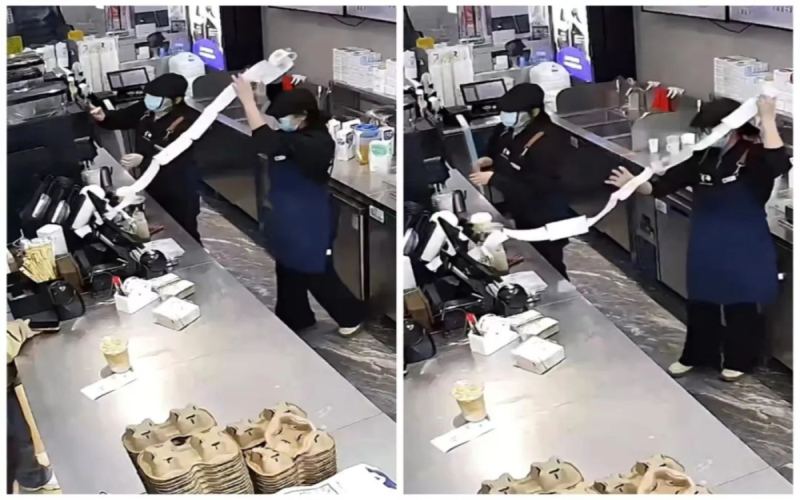
Luckin's frequent co-branding puts pressure on employees, highlighting the contradiction between manpower shortages and service experience.
Luckin Coffee's second collaboration with Line Puppy was supposed to be a fan-anticipated partnership, yet consumer feedback shifted toward excessively long waits and poor service attitudes. Frequent collaboration events bring order-surge pressure, and understaffed stores leave employees struggling to cope. From the chaos of peak hours to the predicament of actual working hours far exceeding paid hours, the working conditions of Luckin employees have drawn widespread attention. This article sorts out the operational contradictions behind the collaboration, as well as netizens' discussions about the brand's employment system, and reflects on the long-term impact of this model on service quality and brand image. [more…]